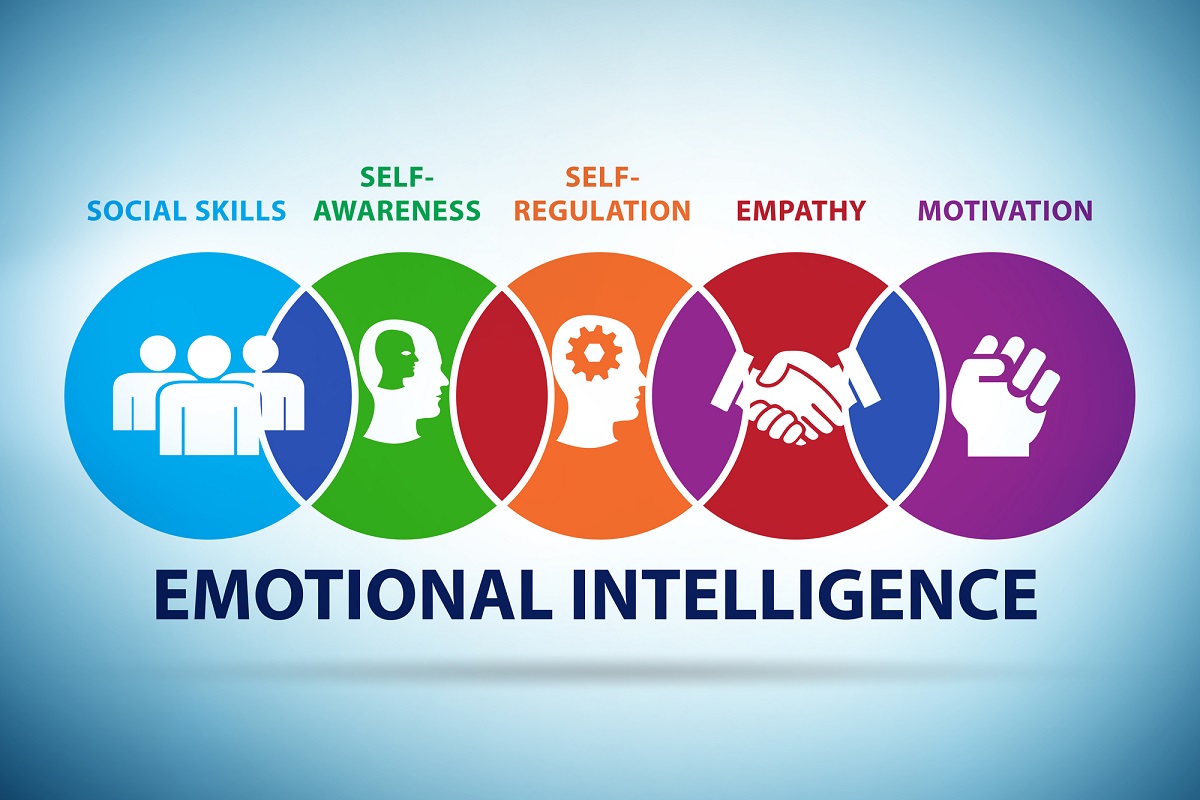
Emotional intelligence (EI) refers to the ability to recognize, understand, manage, and effectively use emotions in oneself and others. Research has shown that deficits in EI, such as poor self-awareness, weak impulse control, and low empathy, are closely linked to abusive behavior. By enhancing EI skills, participants can better handle conflict, manage anger, foster accountability, and develop healthier relationships.
Strategies for Integrating EI into Intervention Programs
1. Curriculum Design
- Dedicated Modules on EI: Introduce modules focused on key EI areas such as self-awareness, self-regulation, empathy, relationship management, and social awareness.
- Use of Evidence-Based Guides: Utilize resources like “The EQ Edge” as core reading or supplementary materials. These guides provide practical exercises and frameworks directly applicable to changing aggressive behavior.
- Trauma-Informed Approach: Recognize the role of trauma in emotional dysregulation and ensure instruction is compassionate and curiosity-driven.
2. Practical Skill Development
- Mindfulness Training: Incorporate mindfulness techniques and journaling to foster emotional self-awareness and reflection.
- Active Listening Exercises: Facilitate activities that strengthen participants’ ability to empathize and fully engage in conversations with others, building trust and reducing defensiveness.
- Role-Playing and Scenario Practice: Utilize real-life scenarios to hone emotional regulation, conflict resolution, and nonviolent communication skills in a supportive group setting.
3. Accountability and Feedback
- Reflective Practice: Assign daily or weekly self-reflection tasks that require participants to analyze their emotional responses and identify triggers.
- Peer and Facilitator Feedback: Regularly solicit feedback to increase social awareness and provide external perspectives on progress.
- Ongoing Assessment: Implement pre- and post-program assessments to measure growth in EI and adjust interventions individually as needed.
4. Facilitator Training
- 16-Hour CEU Emotional Intelligence Training: California offers specialized continuing education (CEU) courses for facilitators, with concentrated training on how to integrate EI techniques into group sessions.
- Skill-Building for Facilitators: Equip facilitators with EI tools they can model for participants, such as stress management, reality testing, and impulse control.
Example Activities and Tools
| EI Skill | Activity Example | Purpose |
|---|---|---|
| Self-Awareness | Guided journaling, emotional logs | Identify emotions and patterns in behavior |
| Empathy | Perspective-taking exercises | Enhance understanding of others’ feelings |
| Impulse Control | Pause-and-reflect techniques | Reduce reactivity and encourage thoughtful actions |
| Relationship Mgmt | Conflict resolution role-play | Practice healthy communication and boundaries |
| Social Awareness | Group feedback and active listening | Build group cohesion and accountability |
Alignment With California Requirements
California’s Penal Code 1203.097 mandates a comprehensive educational approach in Batterer’s Intervention Programs, emphasizing themes such as gender roles, power dynamics, and the psychology of violence. EI skill training aligns directly with these requirements by addressing emotional management and accountability, and by providing a foundation for long-term behavioral change.
Examples of EI-Focused Curriculum in California
- The “Emotionally Intelligent Batterer Intervention” workbook includes strategies for developing shame resilience, training in empathy, and practicing mindfulness, all structured for both group and individual self-help use.
- The “A Ray of Hope” curriculum focuses on skill development in self-awareness, empathy, and self-control, and is accompanied by facilitator workshops to ensure proper delivery.
- Some California programs now require facilitators to undergo annual EI skill enhancement training as part of their certification.
In summary, the enhancement of emotional intelligence skills is increasingly being recognized, integrated, and required in California Batterer’s Intervention Programs. Through dedicated curriculum modules, interactive exercises, reflective practices, and facilitator training, EI improvements can lead to more effective interventions and better outcomes for participants.